Hornbill Embroidery Design Review for Small Business Merch
As an embroidery designer who has spent years digitizing and stitching logos for boutique brands, I approach every new machine embroidery design with a critical eye. It is not just about whether the image looks pretty on a screen; it is about how that image translates into thread, withstands washing, and elevates a brand's identity. Today, I am reviewing the Hornbill design, a piece from the Birds category that promises to symbolize passion for nature lovers. For small business owners, Etsy sellers, and apparel decorators, this review focuses on whether Hornbill is viable for commercial use, branded patches, and high-quality merchandise.
First Impressions: Visual Personality and Brand Fit
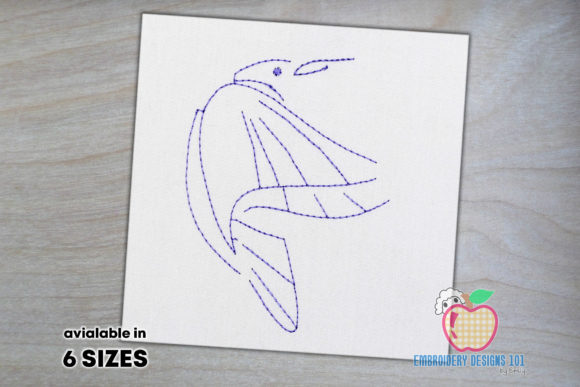
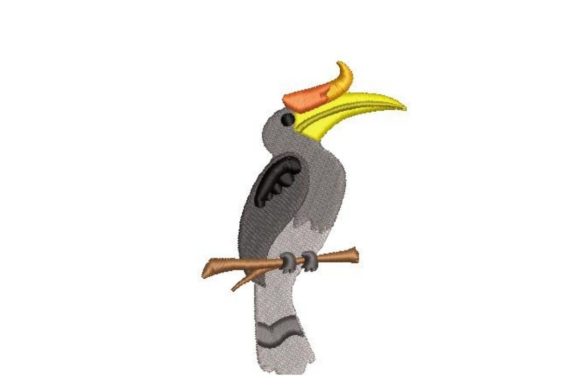
Upon loading the Hornbill embroidery file into my digitizing software, the first thing that strikes me is its potential versatility. The description suggests it is ideal for clothes, hats, and backpacks, which immediately signals a design intended for active wear and lifestyle products. Visually, the Hornbill carries a sense of exotic elegance mixed with a playful, rustic charm. Unlike generic corporate logos, this design feels organic and handmade, making it perfect for creative studios, florists, pet brands, or eco-conscious boutiques.
The silhouette of the bird is bold enough to be recognized from a distance, yet the details suggest a level of intricacy that appeals to customers looking for premium quality. For a café wanting to brand their barista aprons or a bakery selling tote bags, Hornbill offers a friendly yet sophisticated aesthetic. It does not scream "corporate"; instead, it whispers "artisan," which is exactly what many modern consumers are seeking in small business merch.
Real-World Application in Commercial Embroidery
The true test of any design is how it performs on actual goods. In a real-world scenario, imagine a local coffee shop launching a line of reusable cups and apparel. The Hornbill design could serve as a chest logo accent on staff work shirts, providing a cohesive look that builds brand identity. Because the subject is a bird, it naturally fits well on cap embroidery projects, where curved surfaces can sometimes distort complex images. However, the strong outline of a hornbill generally holds up well on the front panel of a structured cap.
For retail environments, this design shines as an embroidered patch. Patches are a massive trend in handmade product lines, allowing customers to customize their own jackets or bags. If you are running an Etsy shop, offering Hornbill as an iron-on or sew-on patch adds immediate value to your inventory. Furthermore, the design works exceptionally well on tote bag design projects. Canvas and heavy cotton provide the stability needed for the stitch work, ensuring the bird remains crisp even when the bag is loaded with groceries or books.
Another excellent application is apron embroidery. For florists or ceramicists, an apron featuring this bird acts as a walking advertisement. It turns a utilitarian garment into a piece of branded art. When used on customer gifts or event merch, the design fosters a sense of community and shared interest in nature, enhancing buyer engagement and loyalty.
Technical Considerations and Production Challenges
While the artistic merit of Hornbill is clear, we must address the technical realities of production. Not every fabric behaves the same way, and certain applications require caution. If you plan to use this design on small patch sizes, you must verify the stitch density. High density can lead to puckering, especially on lightweight fabrics like thin poly-cotton blends used for some uniforms. It is crucial to test the design on scrap fabric that matches your final product before committing to a full production run.
Curved surfaces, such as the front of a baseball cap or the sleeve of a fitted shirt, present another challenge. The beak of the hornbill is a distinctive feature; if the design is too small or the thread colors lack sufficient contrast, this detail may get lost or appear blobby when stitched on a curve. I recommend reviewing the design at 100% zoom to inspect spacing between color blocks. If the gaps are too narrow, the threads may merge during stitching, ruining the definition.
Additionally, consider the fabric texture. Terry cloth towels or rough canvas can swallow fine details. For these textured materials, ensure the design uses satin stitches or wider column widths to maintain visibility. Dark uniforms also require careful thought; if the design relies on dark thread colors without a proper underlay or border, the logo might disappear against a navy or black background. Always create a printable mockup to visualize color contrast before hooping the fabric.
Impact on Brand Identity and Perceived Value
In the competitive landscape of handmade brands and custom apparel, visual consistency is key. Using a high-quality design like Hornbill signals professionalism. Customers often equate the quality of the embroidery with the quality of the business itself. A clean, well-stitched bird logo on a tote bag suggests that the seller cares about details, which builds trust. Conversely, a poorly executed design can cheapen the perceived value of the finished product.
This design helps establish a narrative. For a pet brand or a nature-focused nonprofit, the hornbill is more than just an image; it is a symbol of the values they stand for. When clients see this level of thoughtful branding on custom apparel or packaging accents, they are more likely to engage with the brand and recommend it to others. It transforms a simple transaction into an emotional connection.
Practical Notes for the Embroidery Designer
Before you load this digital embroidery file into your machine for a client order, follow these essential steps to ensure success:
- Test in Black and White: Print or stitch a monochrome version first to check if the shape holds up without relying on color differentiation.
- Verify Hoop Size: Confirm that the design fits within your available hoop size without needing excessive re-hooping, which can cause alignment issues.
- Check Stabilizer Requirements: Depending on the fabric, you may need a cut-away stabilizer for stretchy materials or a tear-away for stable wovens to prevent distortion.
- Review Licensing: Since this is for business use, confirm the commercial licensing terms included with the file to ensure you are allowed to sell items featuring Hornbill.
- Compare Design Assets: Place this design beside your other brand assets to ensure it complements your existing visual language.
- Inspect File Formats: The description mentions multiple files, but always verify that the specific format required by your machine (PES, DST, EXP, etc.) is included and error-free.
The product description notes that the design comes with multiple embroidery files, which is a great sign for compatibility across different machines. However, it does not specify exact stitch counts or precise dimensions. As a professional, I advise requesting these specifics from the vendor if they are not immediately visible, as stitch count directly impacts production time and cost.
Final Verdict for Business Owners
The Hornbill embroidery design is a strong contender for small businesses looking to add a touch of nature-inspired flair to their product lines. Its balance of boldness and detail makes it suitable for a wide range of applications, from cap embroidery to large tote bags. While it requires standard due diligence regarding fabric choice and stitch density, the potential for creating high-value, recognizable merchandise is significant. For those in the commercial embroidery sector, adding this to your library of design assets could open up new opportunities for niche markets passionate about birds and the outdoors.