Alpacas: A Joyful Embroidery Design for Small Business Merch
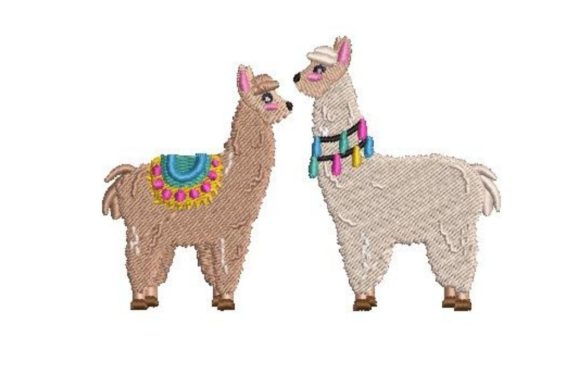
As an embroidery designer who has spent years digitizing and reviewing files for commercial use, I approach every new machine embroidery design with a critical eye. It is not just about whether a motif looks cute on a screen; it is about how that digital embroidery file translates into a tangible asset for a brand. When I first loaded the Alpacas design, my immediate impression was one of pure joy and approachability. The description promises that "one is cute, but two" brings a joyful touch, and visually, this holds true. For small business owners, boutique operators, and handmade brands, this design sits perfectly at the intersection of playful charm and professional execution.
The aesthetic of Alpacas leans heavily into the rustic yet modern vibe that is currently dominating the lifestyle and pet product markets. It feels handmade without looking amateurish. For a creative studio, a local bakery, or a florist looking to elevate their small business merch, this design offers a warmth that sterile corporate logos often lack. It suggests a brand personality that is friendly, community-focused, and detail-oriented. In the world of Wild Animals themed Embroidery, alpacas have become a staple for conveying gentleness and quality, making this file a strategic choice for specific niches.
Real-World Application for Branded Merchandise
Let's move beyond theory and discuss how Alpacas performs in actual production scenarios. Imagine a local coffee shop wanting to create staff uniforms that stand out. Applying this design as an apron embroidery accent on the bib or pocket instantly humanizes the staff. It turns a standard uniform into a conversation starter. Similarly, for a pet grooming business or a veterinary clinic, this design is practically made for custom apparel. It reinforces the nature of their work while adding a layer of visual interest that clients appreciate.
For Etsy sellers and crafters, the versatility of this embroidery file is a major selling point. Because the design comes with multiple formats, it can be adapted for various hoop sizes, allowing you to create a range of products from a single purchase. Consider using it for an embroidered patch. Patches are incredibly popular right now for adding value to tote bags, jackets, and hats without committing to permanent stitching on the base garment. An Alpacas patch sewn onto a canvas tote bag design creates a high-perceived-value item that can be sold at a premium.
Furthermore, think about cap embroidery. The front panel of a baseball cap is prime real estate for branding. If the scale of the alpacas is adjusted correctly, this design could serve as a charming logo mark for a children's brand or a nature-focused outdoor retailer. The key here is the emotional connection; customers are more likely to engage with a brand that makes them smile, and this design delivers that emotional hook effectively.
Technical Considerations for Commercial Production
While the artistic merit of Alpacas is clear, a professional review must address the technical realities of machine embroidery. Not every design works well on every surface. When planning to use this for commercial embroidery projects, you must evaluate the stitch density. High-density designs can cause fabric puckering, especially on stretchy materials like polo shirts or thin cotton tees. Before running a full production batch, it is crucial to test the design on the specific fabric texture you intend to use.
Curved surfaces present another challenge. If you are applying this to a structured cap or a rounded mug cozy, ensure the digitizing accounts for the curvature so the alpacas do not appear distorted. Additionally, pay close attention to the thread colors. The preview might show vibrant, cheerful hues, but you need to ensure these colors contrast sufficiently against your base material. A dark navy uniform might require a slight adjustment to the thread palette to ensure the details of the alpacas pop rather than get lost in the shadows.
Stabilization is non-negotiable. To achieve a crisp finished product, select the appropriate stabilizer for your fabric weight. For patches, a heavy cut-away stabilizer is often best to maintain shape, whereas a tear-away might suffice for a one-off tote bag. Always confirm the required hoop size before purchasing. While the product notes mention multiple formats, you must verify that the largest version fits within your machine's maximum hoop capacity if you plan to scale it up for back-of-jacket designs.
Impact on Brand Identity and Customer Trust
In the crowded marketplace of handmade goods and local services, visual consistency is key to building trust. Incorporating Alpacas into your suite of design assets can significantly enhance your brand identity. It signals that your business cares about the details. When a customer receives a gift bag with a beautifully embroidered alpaca tag or sees a staff member wearing a well-executed apron, it subconsciously communicates quality and care.
This design also excels in creating "instagrammable" moments. In the age of social media marketing, having unique, photogenic merchandise is invaluable. A printable mockup featuring this design can be used to gauge customer interest before you even stitch a single thread. Use these mockups in your email newsletters or social media posts to build anticipation for a new product line. The playful nature of the alpacas encourages user-generated content; customers are more likely to post photos of themselves wearing or using your merch if the design is distinct and adorable.
Essential Designer Notes for Success
To ensure the best results when integrating Alpacas into your workflow, follow these practical steps:
- Test in Monochrome First: Before committing to colorful threads, stitch a sample in black and white. This helps you evaluate the clarity of the outlines and the spacing between elements without the distraction of color.
- Check Small Scale Legibility: If you intend to use this for small patches or sleeve details, stitch a test at the minimum size. Ensure the facial features of the alpacas remain distinct and do not merge into a blob of thread.
- Review Color Contrast: Analyze how the suggested thread colors interact with your specific inventory of garments. You may need to swap certain shades to match your brand guidelines.
- Inspect Spacing and Density: Look for areas where stitches are too close together, which can lead to thread breaks or bird nesting, especially on high-speed commercial machines.
- Create Client Mockups: If you are doing this for a client, present a realistic printable mockup alongside the digital proof. This manages expectations regarding how the Embroidery will look on the actual handmade product.
- Verify Licensing: Most importantly, confirm the commercial licensing terms. Ensure that the digital embroidery file allows for unlimited production runs if you plan to sell items featuring this design indefinitely.
The Alpacas design is more than just a decorative element; it is a versatile tool for storytellers and brand builders. Whether you are decorating uniforms for a pet cafe, creating limited-edition patches for a clothing line, or adding a special touch to customer gifts, this design offers the perfect blend of whimsy and professionalism. By respecting the technical limitations and leveraging its emotional appeal, you can turn this simple motif into a powerful component of your business strategy.