Bald Eagle Screaming: A Bold Craft Fair Bestseller
As an embroidery designer who has spent countless weekends setting up booth displays at local craft fairs and handmade markets, I know that the difference between a browsing customer and a buyer often comes down to one thing: visual impact. When I first pulled up the Bald Eagle Screaming design on my screen, my immediate reaction was that this is a powerhouse piece for any patriotic or nature-themed collection. It does not whisper; it commands attention. For those of us running small shop products or Etsy stores, finding a design that translates well from a digital embroidery file to a tangible, high-value finished product is the holy grail.
First Impressions and Market Appeal
The vibe of Bald Eagle Screaming is undeniably bold, rustic, and premium. It leans heavily into a classic American aesthetic that resonates deeply with customers looking for quality handmade goods. Unlike cute or whimsical bird designs that might appeal only to a niche audience, this eagle carries a sense of strength and freedom. In a crowded market aisle filled with soft pastels and minimalistic line art, a fierce, detailed eagle stands out as a statement piece. It feels decorative yet substantial, making it perfect for customers who want their purchases to reflect pride and durability.
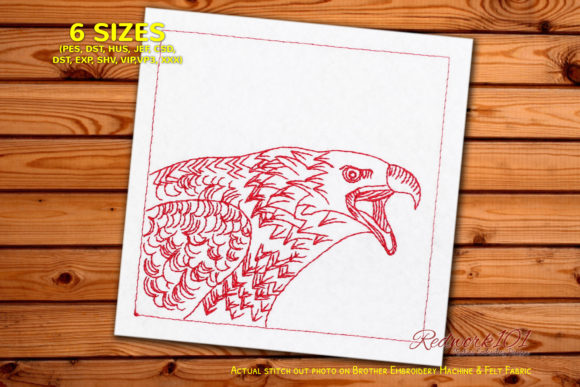
When evaluating this for a weekend craft fair booth, I immediately envisioned it as the centerpiece of my display. The description notes that the "Box Stitch shown in the picture is optional," which is a fantastic feature for a professional designer. This flexibility allows me to adapt the machine embroidery design for different applications. For a clean, modern look on a tote bag, I might skip the box. However, for an embroidered patch or a structured cap, that optional border could provide the necessary framing to make the design pop against textured backgrounds.
Product Versatility for the Handmade Seller
The true test of any design asset is how well it performs across various substrates. Bald Eagle Screaming shines particularly bright on larger surface areas. Imagine this stitched onto a heavy canvas tote bag design; the details of the feathers and the intensity of the scream would be clearly visible from several feet away, drawing people into your booth. Similarly, this design is exceptional for apron embroidery. A black or navy apron featuring this eagle would be a top seller for grill masters or workshop enthusiasts who appreciate rugged, high-quality aesthetics.
For kitchenware, tea towel embroidery requires a bit more caution. While the design is stunning, you must consider the fabric texture of waffle weave or linen towels. If the stitch density is too high for a lightweight towel, the fabric may pucker. However, on a sturdy flour sack towel, this could become a best-selling patriotic gift item. I also see huge potential for this design on pillow covers and market bags. These are items where customers are willing to pay a premium for unique, handmade quality, and the intricate details of the eagle justify a higher price point than a simple monogram.
If you are considering creating an embroidered patch, this design is a strong contender. Patches are incredibly popular at craft fairs because they are low-cost impulse buys. The optional box stitch mentioned in the description would act as a perfect merrow edge guide or a satin border, giving the patch a professional, manufactured look even though it is a small shop product.
Production Realities and Practical Considerations
Before committing to batch production for a big show, there are critical technical factors to review. The description mentions that "The color of the outer Box is a different color," implying multiple thread changes. As a producer, you need to evaluate your thread colors carefully. High-contrast threads will make the eagle scream (pun intended) off the fabric, while tonal threads might create a sophisticated, subtle look. Always test the design on scrap fabric first. You need to verify the stitch density, especially in the dark areas of the eagle's plumage. Dense stitching can cause stiffness, which is undesirable on wearable items like caps or soft goods like pouches.
Speaking of caps, applying this to a curved surface requires precision. The fine details of the beak and eyes in Bald Eagle Screaming could lose clarity if the hoop size is too small or if the stabilizer is not robust enough. For textured towels or thick denim, using a cut-away stabilizer is non-negotiable to prevent distortion over time. Furthermore, if you plan to sell these as commercial embroidery products, ensure you have the correct licensing. The prompt advises checking details before production, so confirm whether the license covers unlimited physical sales or if there are restrictions on the number of finished products you can create.
Visual Impact and Customer Engagement
In the context of an Etsy listing or a printable mockup, photography is everything. This design photographs beautifully because of its inherent contrast and detail. When creating your printable mockup or taking photos for your online store, ensure the lighting highlights the sheen of the thread. A flat lay might not do it justice; instead, style the item in use—perhaps the apron on a hook in a rustic kitchen or the tote bag at a picnic. This helps the Etsy seller convey the lifestyle associated with the brand.
Customers engage with products that tell a story. Bald Eagle Screaming tells a story of nature, power, and craftsmanship. It elevates the perceived value of the finished product. A plain tote bag is worth five dollars; a tote bag featuring this stunning, complex eagle embroidery is worth twenty-five. It transforms a commodity into a keepsake. For boutique makers, consistency is key. If your brand focuses on Americana, wildlife, or premium home goods, this design fits seamlessly into your catalog, reinforcing your brand identity.
Final Designer Notes for Success
To maximize the success of Bald Eagle Screaming in your lineup, treat it with the respect a focal design deserves. Do not bury it in a corner of a large item; let it breathe. Review the spacing and ensure the hoop size you select accommodates the full span of the wings without crowding. If the design includes tiny details, consider scaling it slightly larger for items like wall hangings where viewers will stand close.
Remember, the description states the box stitch is optional. Use this to your advantage to create two distinct product lines from one digital embroidery file: a framed version for formal decor and an unframed version for casual wearables. Always compare fabric colors; this eagle likely looks majestic on navy, forest green, charcoal, and natural cream, but might get lost on busy prints. By paying attention to these details—stabilizer choice, thread contrast, and fabric suitability—you ensure that every unit you produce is a testament to your skill as a creator. This design is not just an image; it is a tool for building a profitable, recognizable handmade business.