Dove in Flight Bean Stitch: A Boutique Sweatshirt Review
As an embroidery designer who spends more time staring at stitch simulations than actual fabric, I am always on the hunt for that perfect balance between artistic flair and technical reliability. When I recently pulled up the Dove in Flight Bean Stitch for a potential feature in our upcoming boutique sweatshirt collection, my initial reaction was one of cautious optimism. In the world of custom apparel, especially for small shops trying to carve out a niche, the difference between a design that looks "homemade" and one that looks "handcrafted luxury" often comes down to the stitch type and execution.
This machine embroidery design promises a fun and easy stitching experience, utilizing running line stitches in a single trip. For those of us managing production timelines for a small shop product drop, efficiency is key. However, speed cannot come at the cost of quality. My goal was to evaluate whether this specific embroidery file could hold its own on premium heavy-weight fleece and if it would resonate with the aesthetic of a modern boutique brand.
First Impressions: Mood and Aesthetic Personality
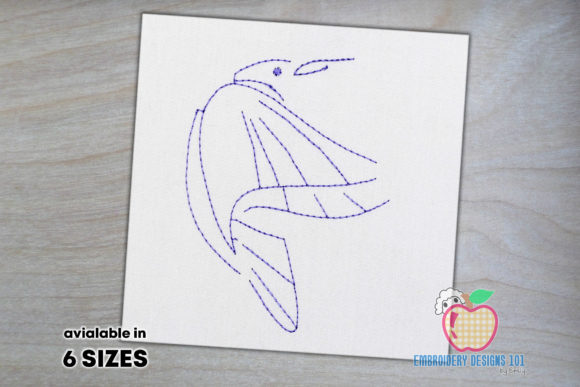
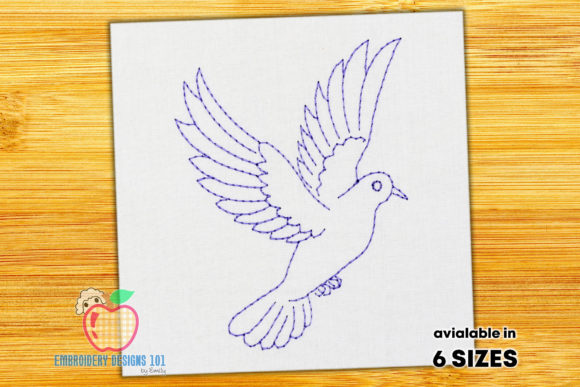
The moment you load the Dove in Flight Bean Stitch into your digitizing software or preview window, the mood is immediately apparent. It feels minimal, feminine, and undeniably rustic. Unlike dense satin column designs that can feel stiff or overly corporate, this line art approach offers a sense of movement and airiness. The use of bean stitches—or the simulation thereof via running lines—suggests a texture that is slightly raised and tactile, which is crucial for sweatshirt embroidery where fabric texture plays a huge role in the final hand-feel.
The layout is clean, focusing entirely on the silhouette of the bird in motion. There are no unnecessary fill areas to weigh down the garment. This makes it an excellent candidate for the current trend of understated branding. It doesn't scream for attention; instead, it invites the viewer to look closer. For a handmade product line, this subtlety often translates to higher perceived value. It suggests confidence in the brand identity, relying on visual recognition rather than loud graphics.
Visualizing the Finished Product on Various Fabrics
To truly test the versatility of this design, I mentally mapped it across several fabric scenarios typical for a seasonal apparel drop:
- Neutral Sweatshirts: On heather grey or oatmeal fleece, the Dove in Flight Bean Stitch shines. The lack of heavy fill allows the fabric's natural fabric texture to peek through, creating a sophisticated, earthy vibe perfect for autumn collections.
- Dark Fabric: When placed on navy or charcoal, the design requires careful selection of thread colors. A metallic gold or a stark white would provide the necessary contrast to ensure the running lines remain visible and crisp. The single trip nature of the stitch means there is less coverage, so high-contrast thread is non-negotiable here.
- Pastel Colors: For a spring release on blush or mint hoodies, this design feels incredibly cute and playful. The lightness of the stitch work complements the softness of pastel dyes without overwhelming the garment.
- Oversized Hoodies: Scale is everything. Because this digital embroidery file comes in multiple sizes, it works beautifully as a small left-chest logo on an oversized fit. It maintains proportionality, avoiding the "stamped on" look that plagues poorly scaled designs.
Technical Considerations for Commercial Use
Transitioning from aesthetic appreciation to technical scrutiny is where the real work begins. As a designer preparing for commercial embroidery production, I have to ask the hard questions about durability and readability. The product description notes these are running line stitches in a single trip. While this reduces stitch count and production time, it raises concerns about stitch density on thick materials.
Sweatshirt fleece is notoriously tricky. It has loft, stretch, and a tendency to shift. When using a running stitch or bean stitch variation on such a substrate, the choice of stabilizer is critical. I would strongly recommend a cut-away stabilizer rather than tear-away for this project. The continuous motion of the dove needs a permanent foundation to prevent the lines from puckering or distorting after the first wash. Without adequate support, the "single trip" lines might sink into the fleece, losing their definition.
Furthermore, small-size readability is a potential hurdle. If you intend to use the smallest available size for a sleeve accent or a cuff detail, you must verify that the gaps between the running stitches do not become too wide, causing the image to break up visually. It is vital to check the specific hoop size requirements and ensure your machine can handle the density settings on thick seams if placing the design near a pocket or hood.
Placement Strategies for Maximum Impact
The versatility of the Dove in Flight Bean Stitch allows for creative placement beyond the standard center chest. Here is how I envision deploying it for a cohesive collection:
- Hoodie Chest Placement: The classic left-chest position remains the strongest contender for building brand identity. It feels professional and established.
- Sleeve Accents: Running the dove vertically along the forearm adds a unique, decorative touch that customers love. It turns a basic hoodie into a statement piece.
- Back Designs: Using the largest size option for a centered back placement creates a bold, artistic focal point. Paired with a small logo on the front, this creates a high-end streetwear look.
- Collaborative Merch: For lifestyle product photography, placing the design near the hem or on a patch applied to the garment can offer a rustic, vintage appeal that photographs exceptionally well for Etsy seller listings.
Elevating Brand Value and Customer Trust
In the saturated market of custom apparel, details matter. Using a well-executed design like the Dove in Flight Bean Stitch signals to your customer that you care about the nuances of your craft. It moves the needle from selling a generic printed shirt to offering a curated finished product. The tactile nature of embroidery builds trust; customers know that embroidered items generally last longer and hold their shape better than screen prints.
For an Etsy seller or creative entrepreneur, this design asset can be a cornerstone of your visual marketing. When creating printable mockup previews for your online store, the texture of the bean stitch adds depth to the images, making them pop against flat backgrounds. It tells a story of quality and attention to detail before the customer even clicks "add to cart."
However, a word of caution to my fellow designers: always verify the technical specs before committing to a large run. Since the exact stitch count, specific file formats, and license terms are not detailed in the brief overview, you must review the full product documentation. Ensure the embroidery file includes the formats compatible with your specific machine bank. Confirming these details prevents costly errors during production.
Ultimately, the Dove in Flight Bean Stitch represents more than just a pattern of threads; it is a tool for storytelling. Whether you are decorating cozy seasonal apparel or launching a new line of everyday essentials, this design offers the flexibility and charm needed to stand out. With the right stabilizer, thoughtful thread choices, and strategic placement, it has the potential to become a signature element of your brand, driving customer engagement and solidifying your reputation for quality in the competitive world of birds and nature-inspired embroidery.