Pencil Case Embroidery Design Review for Small Business Merch
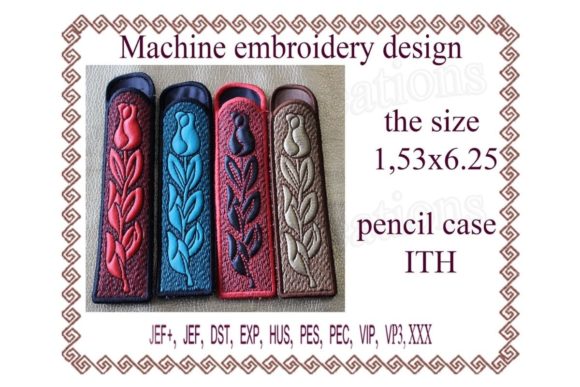
As an embroidery designer who has spent years digitizing and testing files for commercial use, I approach every new machine embroidery design with a critical eye. It is not just about whether the art looks cute on a screen; it is about how that digital embroidery file translates into a tangible asset for a brand. Today, I am reviewing the Pencil Case design, a unique pattern intended for creative projects that promises versatility across multiple sizes. For small business owners, Etsy sellers, and apparel decorators, understanding the practical application of this file is essential before committing to production runs.
First Impressions: Visual Personality and Brand Fit
Upon loading the Pencil Case file into my editing software, the immediate impression is one of playful utility. The title suggests a focus on creativity and organization, which makes this design particularly well-suited for boutique shops, creative studios, bakeries, and local businesses that want to project a friendly, handmade vibe. Unlike rigid corporate logos, this design feels approachable and rustic, leaning heavily into the aesthetic of the handmade product market.
The description notes that the design comes in multiple sizes, with some variations being taller or wider depending on the specific layout. This flexibility is crucial for brand identity. A flexible design allows a florist to use a vertical version on an apron tie while a pet brand might prefer a wider iteration for a tote bag. However, the varying dimensions mean you must carefully select the version that best fits your specific finished product without distorting the original artistic intent.
Real-World Applications for Small Business Merch
The true test of any embroidery file is its performance in real business scenarios. I evaluated how Pencil Case would function across various mediums commonly used by merch creators and product designers.
- Embroidered Patches: This is arguably the strongest use case. The design's likely bold outlines and clear shapes make it an excellent candidate for an embroided patch. Small cafes could sew these onto canvas bags as a removable brand mark, allowing customers to customize their own gear.
- Staff Uniforms and Aprons: For a bakery or craft studio, apron embroidery needs to be durable yet distinct. Pencil Case offers a charming accent for the chest pocket or sleeve, reinforcing a cohesive team look without overwhelming the uniform.
- Cap Embroidery: Placing this on a structured cap requires attention to curvature. If the design includes fine details, they may get lost on the front panel of a baseball cap. It works best here if simplified or used as a side-panel accent.
- Tote Bag Design: Canvas totes are a staple for small business merch. The multiple size options mentioned in the product description allow this design to scale up effectively for a large back-print or remain subtle on a corner tag.
- Product Packaging Accents: Beyond apparel, this design could be stitched onto fabric tags attached to product packaging, adding a premium, tactile element to unboxing experiences.
Critical Considerations for Production Quality
While the artistic potential is high, there are technical areas where Pencil Case requires careful handling. As a professional, I always advise checking specific constraints before running a full batch of commercial embroidery.
Stitch Density and Fabric Texture
The success of this design heavily depends on stitch density. If the file is too dense, it can cause puckering, especially on lighter fabrics like linen or cotton blends often used in eco-friendly merchandise. Conversely, if the density is too low on dark uniforms, the backing material might show through. You must test the design on the actual fabric texture you intend to use. Textured towels or thick denim may require adjustments to the pull compensation to ensure the lines remain crisp.
Small Scale Legibility
The product description mentions "multiple sizes," but caution is needed when scaling down. Tiny lettering or intricate outlines within the Pencil Case motif may merge together if reduced below a certain threshold. For small patch sizes or narrow collar placements, verify that the smallest elements do not disappear. It is often better to choose a slightly larger hoop or a simplified version of the design for tiny applications.
Thread Colors and Contrast
Review the suggested thread colors against your brand palette. While the default file might offer vibrant hues, your brand might require monochrome or limited-color versions for cost efficiency. Ensure there is sufficient contrast between the thread and the garment color, particularly for items that will be viewed from a distance, such as event merch or trade show giveaways.
Enhancing Brand Identity and Customer Trust
In the crowded marketplace of handmade goods and custom apparel, consistency is key. Using a well-executed design like Pencil Case across all touchpoints—from staff shirts to customer gifts—builds visual consistency. When a customer sees the same high-quality embroidery on an apron, a tote, and a patch, it signals professionalism. It tells them that the business cares about the details, which directly boosts customer trust and perceived product value.
Furthermore, this type of design fosters buyer engagement. In the age of social media, unique, textured items like embroidered patches are highly "instagrammable." By offering merchandise that features distinct design assets like this, you encourage customers to share your brand online, effectively turning your products into marketing tools.
Practical Notes for the Embroidery Designer
Before you commit to using Pencil Case for client work or your own inventory, follow these practical steps to ensure a flawless result:
- Test in Black and White First: Remove color variables to check the integrity of the stitching paths and spacing.
- Verify Hoop Size: Confirm the hoop size required for the largest version of the design matches your machine's capabilities.
- Check Stabilizer Requirements: Select the appropriate stabilizer based on the fabric weight. Cut-away stabilizer is often safer for items that need frequent washing, while tear-away may suffice for decorative pieces.
- Create a Printable Mockup: Generate a printable mockup to show clients how the design will look on different garments before stitching a single thread.
- Compare Design Assets: Place Pencil Case beside your existing logo and other graphics to ensure visual harmony.
- Confirm Licensing: Most importantly, verify the commercial licensing terms. Ensure you have the right to use this digital embroidery file for resale or branded merchandise.
Since the product description does not specify exact stitch counts, file formats (like PES, DST, or EXP), or precise license limitations, you must contact the seller or review the download package thoroughly before production. Never assume a file is ready for commercial use without explicit confirmation.
Final Verdict
The Pencil Case embroidery design holds significant promise for businesses looking to add a touch of whimsy and craftsmanship to their custom apparel and accessories. Its adaptability across patches, uniforms, and bags makes it a versatile tool in the Sewing and Embroidery toolkit. However, its success relies on thoughtful execution. By respecting the limitations of fabric and scale, and by rigorously testing the file, you can transform this digital asset into a powerful physical representation of your brand.