Review: Face Mask Care Instructions Card for Business
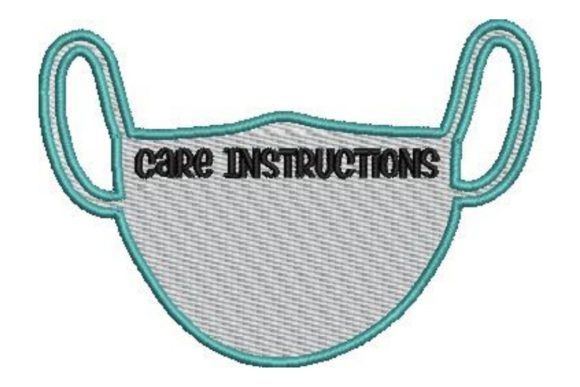
As an embroidery designer who spends most of my days digitizing logos and testing stitch patterns for small business clients, I approach every new machine embroidery design with a critical eye. It is not just about whether a pattern looks pretty on a screen; it is about how it performs on actual fabric, how it holds up after fifty washes, and whether it elevates a brand's identity. Recently, I took a close look at the Face Mask Care Instructions Card design to evaluate its potential for branded merchandise, staff uniforms, and boutique product lines.
At first glance, the concept behind this embroidery file feels incredibly timely and practical. In a market where safety and hygiene have become central to customer trust, having care instructions visibly integrated into a garment or accessory is a smart move. The design exudes a professional yet friendly vibe, striking a balance between instructional clarity and aesthetic appeal. It does not feel overly rustic or excessively decorative; rather, it carries a modern, clean look that suggests reliability. For handmade brands and Etsy sellers, this kind of attention to detail can be the difference between a hobbyist product and a premium handmade product that commands a higher price point.
Real-World Applications for Small Business Merch
The versatility of the Face Mask Care Instructions Card extends far beyond its literal name. While the title suggests a focus on masks, the utility of this design shines when applied to various small business merch scenarios. Imagine a local café or bakery where staff wear branded aprons. Embroidering this design onto an apron embroidery project serves a dual purpose: it reinforces the business's commitment to hygiene and provides immediate, durable information for employees without needing paper tags that get lost.
For boutique owners and creative studios, this design works exceptionally well as an embroidered patch. Patches are trending heavily in the custom apparel world because they allow for flexibility. You can sew them onto tote bags, denim jackets, or even canvas sneakers. If you run a florist shop or a pet brand, attaching this as a care label alternative on a reusable shopping bag adds a layer of professionalism. It tells the customer that you care about the longevity of the items you sell. Furthermore, for event merch or conference giveaways, placing this design on work shirts or polo sleeves acts as a subtle but effective branding tool that keeps your logo and message visible.
I also see great potential for this design in the realm of cap embroidery. Caps often have limited real estate for branding, but a compact instruction or care icon can fit perfectly on the side panel or even the back strap area. This turns a standard promotional hat into a functional piece of gear. Similarly, for those creating tote bag design collections, integrating this element near the handle or bottom corner creates a cohesive look that mimics high-end retail packaging.
Technical Considerations and Placement Strategy
However, moving from concept to production requires careful planning. When reviewing the Face Mask Care Instructions Card for commercial use, there are specific technical hurdles to consider. The primary concern with any text-heavy or icon-based design is the stitch density and the clarity of small details. If you intend to use this as a tiny patch on a child's item or a delicate accessory, you must ensure the lettering or fine lines do not merge together during stitching.
Curved surfaces present another challenge. Applying this design to the front of a structured cap requires a digitizing approach that accounts for the curve, otherwise, the text may distort. Similarly, when working with textured fabrics like heavy canvas or Terry cloth, the fabric texture can swallow up fine stitches. In these cases, I strongly recommend using a cut-away stabilizer to provide a solid foundation. Without proper stabilization, the design might pucker, ruining the professional finish you are aiming for.
Color contrast is equally vital. If you are embroidering this onto dark uniforms, ensure the thread colors chosen offer sufficient pop. A low-contrast design on a navy or black shirt will look muddy and fail to communicate its message. Always test your thread chart against the final garment color before committing to a full production run.
Elevating Brand Identity and Customer Trust
From a branding perspective, the inclusion of care instructions via embroidery speaks volumes about a company's values. It projects an image of thoroughness and care. For customers, seeing a permanent, stitched guide rather than a flimsy paper tag enhances the perceived value of the finished product. It suggests that the item is built to last and that the creator has thought about the entire lifecycle of the product.
This level of detail fosters customer trust. In industries where hygiene is paramount, such as food service or healthcare adjacent businesses, visible care instructions reinforce safety protocols. For online sellers, featuring this design in a printable mockup or product photography can significantly boost buyer engagement. It shows potential clients that you offer more than just a generic item; you offer a thoughtful, complete solution. This visual consistency across your design assets helps build a recognizable brand identity that stands out in a crowded marketplace.
Professional Designer Notes for Production
Before you load this digital embroidery file into your machine for a client order, I advise following a strict testing protocol. First, stitch out a sample in black and white only. This removes the distraction of color and allows you to inspect the spacing and structural integrity of the stitches. Check if the design holds up at the smallest size you intend to use; if details vanish, you may need to request a resized version from the digitizer.
Always confirm the hoop size requirements. While the description mentions it comes in multiple formats, ensuring your hoop matches the design dimensions is crucial to avoid re-hooping errors. Test the design on the exact fabric you plan to use for the final run, as tension settings vary wildly between cotton, polyester, and blends. Create a physical mockup for client approval before starting mass production. Finally, and perhaps most importantly, review the licensing terms. Ensure that the file includes rights for commercial embroidery so you can legally sell the finished goods. The product description notes it can be used for clothes and accessories, but always verify the specific license agreement to protect your business.
In conclusion, the Face Mask Care Instructions Card is more than just a decorative element; it is a functional asset for modern businesses. Whether you are decorating uniforms, creating patches for sale, or adding value to your handmade goods, this design offers a professional touch that resonates with today's conscious consumers. With careful attention to stitch density, fabric choice, and placement, it can become a staple in your Accessories and Embroidery repertoire, driving both aesthetic appeal and practical utility for your brand.