Grill Chandelier: A Bold Statement for Craft Fair Booths
As an embroidery designer who has spent countless weekends setting up booth displays at local craft fairs and handmade markets, I know that the difference between a browsing customer and a buying customer often comes down to one thing: visual impact. When I first pulled up the Grill Chandelier machine embroidery design on my screen, my immediate reaction was curiosity mixed with professional caution. The title suggests a fusion of two very different worlds—the rugged, smoky aesthetic of outdoor grilling and the delicate, sparkling elegance of a chandelier. It is an interesting design concept that promises to add a sophisticated flair to everyday items, but does it hold up under the bright lights of a market stall?
First Impressions and Market Appeal
In the world of handmade products, uniqueness sells. The Grill Chandelier feels like a perfect bridge between rustic farmhouse charm and modern, quirky humor. It is not just cute; it has a personality. For an Etsy seller or a boutique maker, this kind of juxtaposition is gold. It catches the eye because it defies expectation. When imagining this as a craft fair product, I can see it standing out on a table full of generic floral patterns. It speaks to the hostess who loves to entertain, the grill master with a sense of style, and the home decor enthusiast looking for something conversation-starting.
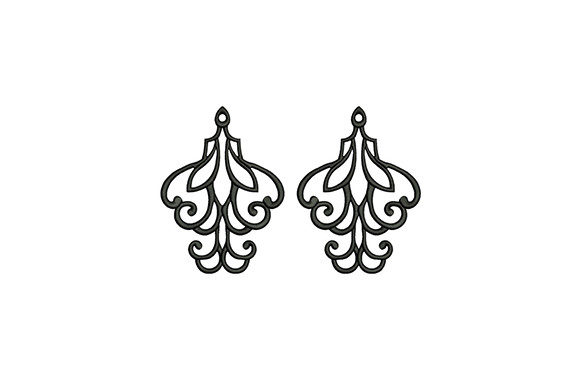
The description notes that this cool fashion embroidery can be worn as a lovely accessory, which opens up a wide range of possibilities beyond home decor. However, for a weekend warrior seller, the real question is versatility. Does this design work as a small accent on a cap, or does it need the canvas of a large tote bag to truly shine? Based on the "sophisticated flair" promise, I suspect this design relies on clean lines and perhaps some intricate detailing that mimics the sparkle of crystal, translated into thread.
Product Placement: Where This Design Shines
To maximize sales, you must match the design to the right substrate. Here is how I would deploy Grill Chandelier across a typical craft fair inventory:
- Tote Bags and Market Bags: This is likely the strongest contender. A heavy canvas tote provides a flat, stable surface that allows the details of the design to remain crisp. As a tote bag design, it transforms a utility item into a statement piece. Customers love bags that tell a story, and this one screams "summer entertaining."
- Aprons and Tea Towels: An apron embroidery featuring this motif would be a bestseller during the holiday season or summer BBQ months. Similarly, tea towel embroidery offers a lower price point entry for customers who want the look without the commitment of a larger item. The contrast of white thread on a dark linen towel could be stunning.
- Embroidered Patches: If the design scales down well, turning it into an embroidered patch is a brilliant move. Patches are low-cost, high-margin small shop products that appeal to younger demographics looking to customize denim jackets or backpacks.
- Pillow Covers: For home decor buyers, a pillow cover acts as a safe way to introduce bold art into a living space. The finished product here feels premium and giftable.
Production Realities and Technical Considerations
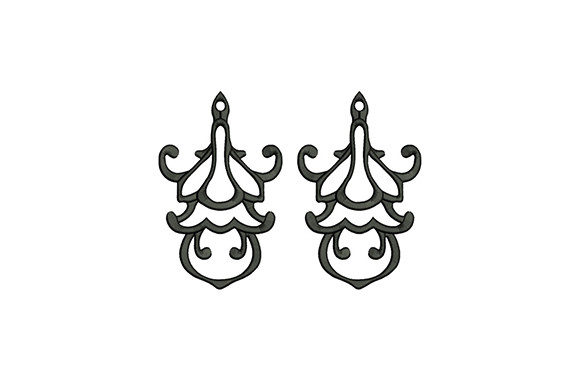
Before committing to batch production, a professional must look past the pretty preview image. The success of Grill Chandelier in a real-world setting depends heavily on execution. Since the description mentions adding a "sophisticated flair," I anticipate there may be fine details or satin stitch columns intended to mimic light reflection. This brings us to the critical issue of stitch density.
If the design has dense areas meant to create a solid fill or a metallic effect, it requires careful attention to stabilizer choice. On textured items like waffle-weave tea towels or thick terrycloth aprons, a design with high density can cause puckering if the stabilizer isn't robust enough. I always advise testing the embroidery file on scrap fabric that matches your final product exactly. Do not skip this step. A design that looks perfect on smooth quilting cotton might distort badly on a structured cap or a soft fleece pouch.
Furthermore, consider the thread colors. If the design relies on subtle gradients to achieve its "chandelier" look, ensure your thread chart matches the digital preview. In a busy craft fair environment, customers view products from a distance. High contrast is key. If the design gets lost against a dark fabric due to poor color selection, it loses its value. Conversely, using metallic threads could enhance the "chandelier" theme, but be warned: metallic threads are prone to breaking and require slower machine speeds, which impacts your production timeline.
Visual Appeal and Customer Engagement
When setting up your booth display, the goal is to stop the scroll—both physically and digitally. For your online presence, creating a high-quality printable mockup is essential. This design assets should be showcased in lifestyle settings: imagine the Grill Chandelier stitched onto an apron while someone is flipping burgers, or on a tote bag hanging next to a picnic basket. These visuals help the customer envision the handmade product in their own life.
In person, the tactile quality of Embroidery is your biggest selling point. Unlike printed vinyl, embroidery has texture and depth. Encourage customers to touch the samples. The raised stitches of the Grill Chandelier design should feel substantial and well-crafted. This tactile experience validates the price point and reinforces the perception of handmade quality. It tells the buyer that this is not mass-produced; it is a unique creation made with care.
Practical Advice for the Seller
To ensure Grill Chandelier becomes a profitable part of your lineup, keep these practical notes in mind:
- Check the Hoop Size: Verify that the design fits within your available hoop sizes. If it is a large focal design, ensure you have the machinery to handle it without excessive re-hooping, which can lead to alignment issues.
- Review Small Details: Look closely at any tiny elements in the design. Small lettering or minute decorative swirls may lose clarity if the design is resized too small. Always check the minimum recommended size provided with the digital embroidery file.
- Fabric Texture Matters: Avoid using this design on highly textured fabrics unless you have tested it first. Loopier fabrics can swallow fine details, making the design look muddy.
- Commercial Licensing: Before selling any commercial embroidery products, confirm the licensing terms of the design file. Ensure you have the right to sell finished goods made with this specific pattern.
- Create Real Mockups: Digital proofs are great, but nothing beats a physical sample. Stitch one out on your intended best-seller item (likely the tote or apron) and display it prominently at the front of your table.
Ultimately, Grill Chandelier represents the kind of creative risk that pays off in the handmade market. It is distinctive, thematic, and versatile enough to cross over from kitchenware to fashion Accessories. By paying attention to the technical details of stitch density, fabric choice, and presentation, you can turn this interesting design into a cornerstone of your craft fair success. Remember, people buy with their eyes first, but they stay for the quality. Make sure your execution matches the sophistication of the concept.