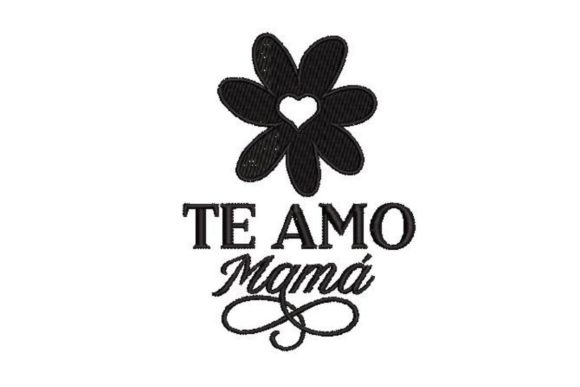
Te Amo Mama: A Designer's Review for Mother's Day Projects
As an embroidery designer who spends countless hours digitizing and stitching for clients, I approach every new machine embroidery design with a critical eye. It is not just about whether a file looks cute on a screen; it is about how it performs under the needle, how it wears after washing, and whether it adds genuine value to a handmade product. Recently, I evaluated the Te Amo Mama listing on Creative Fabrica, specifically considering its potential for upcoming Mother S Day orders and year-round boutique merchandise. This review breaks down the visual appeal, technical considerations, and commercial viability of this specific applique design.
First Impressions and Visual Mood
The immediate draw of Te Amo Mama is its heartfelt simplicity. The phrase "Te Amo" carries a universal warmth that transcends language barriers, making it an excellent choice for a personalized gift. Visually, the design leans into a soft, affectionate aesthetic typical of high-quality Creative Fabrica embroidery assets. The inclusion of applique elements suggests a textured, layered look that elevates the piece beyond standard flat stitching. For a designer, this indicates an opportunity to play with fabric contrasts—perhaps using a soft minky or a patterned cotton for the applique shape against a solid background.
The decorative appeal here is strong for items meant to be cherished rather than just worn. It naturally fits projects where emotional connection is the selling point. Whether you are creating a keepsake for a new mother or a tribute for a grandmother, the mood is inviting and tender. However, because it relies on applique, the finish quality will depend heavily on your fabric selection and how cleanly you trim the backing material.
Performance in Real Embroidery Work
When imagining Te Amo Mama in a real-world production scenario, several applications come to mind. For custom apparel, this design would shine on a heavyweight sweatshirt or a structured tote bag. The applique technique adds durability and a premium feel that customers often associate with higher price points. On a tote bag design, the layered fabric can withstand the friction of daily use better than a simple satin fill might.
For those running an Etsy shop or selling at craft fairs, this digital embroidery file offers versatility. It could be adapted for nursery decor, such as a pillow cover or a wall hanging, where the texture of the applique adds depth to room photography. It is also suitable for kitchen towels or aprons, provided the base fabric is stable enough to support the additional layers without puckering. If you are producing commercial embroidery batches, the repeatability of the design is key; applique designs can sometimes vary slightly depending on how the fabric piece is placed, so consistency in your cutting process is vital.
Technical Considerations and Fabric Challenges
Working with applique designs requires more attention to detail than standard fill stitches. One must carefully consider the stitch density of the tack-down and cover stitches. If the density is too high on stretchy fabrics, you risk distortion. Conversely, if it is too low, the raw edges of the applique fabric might fray over time. Before committing to a final finished product, it is essential to test on scrap fabric that matches your intended material.
Fabric choice is paramount. While the design description mentions sewing it on a t-shirt, t-shirt jersey is notoriously difficult for applique due to its stretch. Without a high-quality cut-away stabilizer, the design may pucker or warp after the first wash. For better results, I would recommend using this on woven materials like linen, canvas, or stable knits like French terry for sweatshirt embroidery. If you attempt this on a cap, the curved surface presents another challenge; ensure the hoop size accommodates the curve without crushing the brim, and verify that the applique pieces are small enough to lay flat on the panel.
Dark fabric presents a unique opportunity for contrast. Using a light-colored applique fabric with bright thread colors for the border can make the "Te Amo" message pop. However, you must check the running stitch and satin stitch definitions in the file to ensure they provide adequate coverage over the darker background. Always compare light and dark fabric mockups before purchasing to visualize the final impact.
Enhancing Product Value and Brand Consistency
In the competitive world of handmade goods, presentation is everything. Using a well-executed design like Te Amo Mama can significantly boost buyer trust. The tactile nature of applique signals to the customer that time and care were invested in the item, justifying a higher price point than a basic printed tee. For brand consistency, if your shop specializes in sentimental, family-oriented goods, this design aligns perfectly with that narrative.
Furthermore, the visual texture of this design translates beautifully into printable mockup images for your online store. The shadows created by the layered fabric add realism to product photos, increasing click-through rates and customer engagement. When a customer sees the depth and quality in a photo, they are more likely to perceive the item as a premium embroidered patch or garment feature rather than a mass-produced commodity.
Practical Steps Before Stitching
To ensure success with this embroidery file, follow these practical steps:
- Verify File Details: Since specific technical data like exact stitch count, available formats, or precise hoop size requirements are not explicitly detailed in the short description, you must visit the Creative Fabrica product page to confirm compatibility with your machine.
- Check Licensing: Always review the license terms on the product page before selling finished items commercially to ensure you are compliant with the creator's rules.
- Stabilizer Selection: Given the applique nature, a sturdy stabilizer is non-negotiable. Test different weights to find the right balance between support and hand feel.
- Thread Contrast: Experiment with thread colors that either blend seamlessly with the applique fabric for a clean look or contrast sharply for a bold, graphic statement.
- Inspect Small Details: After stitching your test sample, inspect the corners and curves of the applique. Ensure the covering stitches are dense enough to prevent fraying but not so dense that they cause bird nesting.
In conclusion, Te Amo Mama holds significant promise for designers looking to expand their Mother S Day collections or add emotional depth to their everyday offerings. Its strength lies in its ability to transform simple textiles into meaningful heirlooms. However, its success depends entirely on the executor's skill in handling applique techniques and choosing the right materials. By approaching this design asset with careful preparation and testing, you can create stunning, durable products that resonate deeply with your customers.