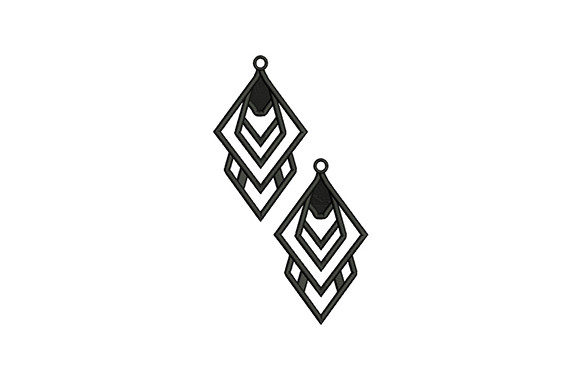
Digitize Earrings: A Designer's Review for Real Projects
As a designer who spends more time staring at stitch maps than most people spend on their phones, I approach every new machine embroidery design with a mix of curiosity and skepticism. We've all been there: you download a file that looks stunning on the screen, only to find it turns into a bird's nest of thread once it hits the fabric. That is why I took a close look at Digitize Earrings. This isn't just about whether the image is pretty; it is about whether this embroidery file can hold up under the pressure of a real deadline, a demanding client, or a bustling craft fair booth.
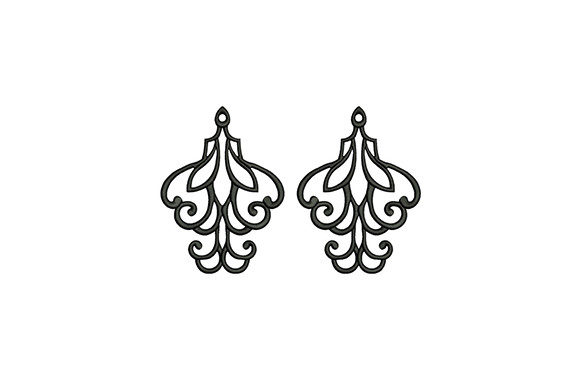
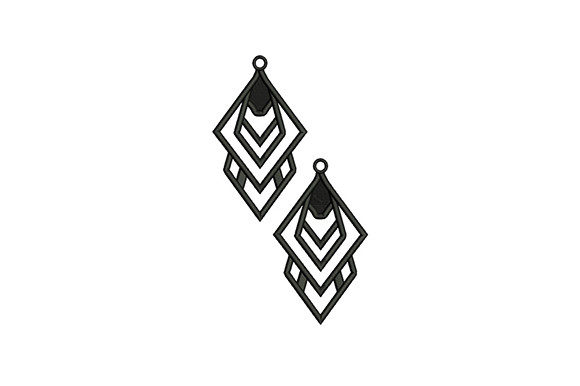
The first thing that strikes me about Digitize Earrings is its visual personality. In the world of Beauty and fashion accessories, jewelry motifs need to strike a balance between delicacy and durability. This design captures the essence of statement earrings without getting lost in unnecessary complexity. The layout feels intentional, suggesting a modern aesthetic that fits well with current boutique trends. Whether you are aiming for a boho-chic vibe or something more minimalist, the shape and theme here offer a versatile foundation. It feels less like a generic clip-art conversion and more like a thoughtfully constructed design asset meant for actual wearables.
Putting Digitize Earrings to the Test in Real Scenarios
To truly evaluate this piece, I imagined a specific real-life scenario: a custom order for a local boutique looking to launch a line of personalized tote bags and sweatshirts. The client wanted something that screamed "self-care" and "glamour" without being overly flashy. This is where Digitize Earrings shines. Placed on the lower corner of a canvas tote bag design, the motif adds an instant touch of sophistication. It transforms a plain utility item into a fashion statement.
I also considered how this would perform as sweatshirt embroidery. French terry and fleece can be tricky due to their texture, but a single-color design like this often cuts through the noise better than multi-colored counterparts. The simplicity allows the texture of the garment to complement the stitching rather than competing with it. For an Etsy seller or small shop owner, this kind of versatility is gold. You aren't limited to one product type; this design could easily migrate from a heavy hoodie to a structured embroidered patch or even a delicate nursery decor item for a baby shower gift.
The fact that this design utilizes only one color is a significant practical advantage. In a production environment, thread changes kill efficiency. A single-color run means faster turnaround times and less room for error during setup. It also simplifies inventory management for your craft business; you aren't hunting for twelve specific shades of blue to match a mockup. You can adapt the thread color to match any brand palette or seasonal trend, making it a highly flexible tool in your arsenal.
Navigating Fabric Textures and Hoop Limitations
While the potential is high, a responsible reviewer must also address where caution is needed. No design is universal, and Digitize Earrings requires some strategic thinking depending on your substrate. If you are working with stretchy fabrics like jersey knits for custom apparel, the stability of the design becomes paramount. Even with a simple outline or fill, movement in the fabric can distort the shape of the earrings, making them look lopsided. In these cases, using a high-quality cut-away stabilizer is non-negotiable. Do not skimp here; the integrity of your finished product depends on it.
Another consideration is the hoop size. While the file formats provided (including DST, PES, EXP, and others) suggest compatibility with a wide range of machines, you must verify the specific dimensions of the design before committing to a project. If you are attempting to place this on a curved surface like a cap or a visor, ensure the design fits within the constraints of a cap frame. Detailed corners or fine lines can sometimes get lost if the design is scaled down too aggressively for a tiny baby embroidery project on a onesie. Always check the stitch density; if the design relies heavily on dense satin stitches, it might become too stiff for lightweight fabrics like silk or thin cotton tea towels.
Dark fabrics present another challenge. Since this is a one-color design, contrast is everything. Stitching a light thread on a dark background usually works well, but if you choose a tonal thread color, the details may vanish. I recommend testing the design in black and white mockups first to see how the shapes read against different backgrounds. This simple step can save you from wasting expensive materials and thread.
Enhancing Brand Value and Customer Trust
Beyond the technical execution, we have to talk about perception. When a customer buys a handmade item, they are buying a feeling. They want to feel that the product was made with care and expertise. A clean, well-digitized design like Digitize Earrings contributes directly to that perception of quality. Sloppy stitching or poorly planned paths can undermine trust, but a crisp, clear motif reinforces your reputation as a professional. It tells the buyer that you care about the details, which in turn justifies a higher price point for your small shop product.
For those selling digital products or printable mockups, this design offers excellent visual appeal. Its clean lines translate well into marketing materials, helping you create compelling listings that stand out in a crowded marketplace. Whether it is for holiday embroidery gifts or wedding favors, the universal appeal of jewelry imagery resonates with a broad audience. It taps into the desire for personal adornment and self-expression, making it a safe yet stylish choice for commercial projects.
Final Verdict and Practical Designer Notes
Before you rush to stitch this out on a client's premium garment, here are my essential notes for ensuring success. First, always test the design on scrap fabric that matches the weight and texture of your final material. This is the only way to truly gauge how the stitch density interacts with the weave. Second, pay attention to your thread choice. A matte rayon might give a soft, vintage look, while a shiny polyester could make the earrings pop with a modern gloss. Experiment to see what fits your brand voice.
Additionally, review the licensing terms carefully. Just because a file is available doesn't mean it is free for unlimited commercial use. Confirm whether you can sell the finished product or if there are restrictions on the number of items you can produce. This is crucial for scaling your commercial embroidery operations without legal hiccups. Finally, inspect the small details. Zoom in on the digitizing preview if your software allows it. Look for jump stitches that might need trimming or areas where the underlay might show through.
In conclusion, Digitize Earrings is a solid contender for designers looking to add a touch of glamour to their repertoire. It balances aesthetic charm with practical usability, provided you respect the limitations of your materials and machinery. It is not just a picture of jewelry; it is a functional component for creating valuable, tangible goods. Whether you are decorating aprons, pillows, or high-end apparel, this design has the potential to elevate your work from "homemade" to "hand-crafted professional." Just remember: the magic happens not in the download, but in the thoughtful execution on the machine.