Girl and Butterfly: A Delicate Touch for Modern Embroidery
When I first pulled up the Girl and Butterfly machine embroidery design on my screen, my immediate reaction was one of quiet appreciation. In a market saturated with overly complex or cartoonish motifs, this piece stands out for its understated charm. As a designer who spends hours analyzing stitch paths and density maps, I look for designs that translate well from digital file to physical thread. This design promises to transform beautiful projects into delicate and charming embroideries, but does it hold up under the scrutiny of real-world application? After reviewing the layout and considering various fabric scenarios, I believe this asset is a strong contender for specific niches within the Bugs and nature-themed categories.
First Impressions and Visual Personality
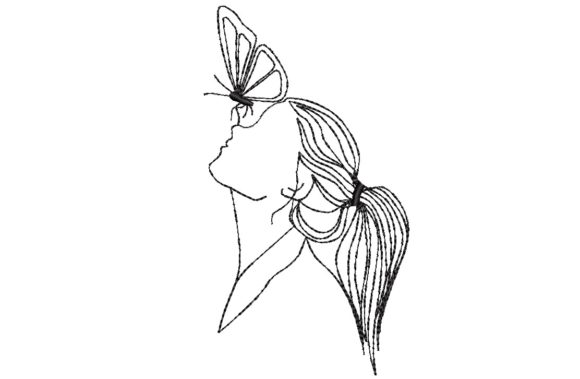
The visual personality of Girl and Butterfly leans heavily towards the whimsical yet refined. It avoids the heavy, blocky look of older digitizing styles, opting instead for a flow that suggests movement. The interaction between the girl figure and the butterfly creates a narrative moment—a snapshot of childhood wonder—that resonates deeply with customers looking for personalized gifts. The shape and theme are cohesive; there are no stray elements that feel out of place. For an Etsy seller or small shop owner, this kind of visual clarity is crucial. It reads well even at smaller sizes, which is often the make-or-break factor for items like baby clothes or pocket logos.
The detail level appears balanced. It is intricate enough to look professional and high-value but not so dense that it risks puckering lightweight fabrics. When evaluating a new embroidery file, I always ask: "Does this look handmade or mass-produced?" This design retains that artisanal feel, making it perfect for boutique branding where uniqueness is the selling point.
Real-World Application: The Custom Tote Scenario
To truly test the viability of this design, I imagined a specific client project: a custom canvas tote bag for a local farmer's market vendor. The client wanted something that felt organic and friendly, avoiding harsh lines or industrial vibes. Girl and Butterfly fit this brief perfectly. Placed on the lower corner of a natural cotton tote, the design adds a touch of storytelling without overwhelming the bag's utility.
In this scenario, the stitch density becomes a critical factor. Canvas is a sturdy fabric, but if the design is too dense, the needle perforation can weaken the material over time. Based on the visual profile of this design, it seems to utilize a mix of satin stitch for outlines and fill stitch for broader areas, likely keeping the overall weight manageable. For a craft business owner, this versatility means you can offer the same design on a heavy tote and a lighter tea towel, provided you adjust your stabilizer strategy. The result is a finished product that feels premium, encouraging repeat customers who appreciate the attention to detail.
Versatility Across Product Lines
Beyond tote bags, the adaptability of Girl and Butterfly extends to various custom apparel and home decor items. Here is how I see it performing across different mediums:
- Sweatshirt Embroidery: On fleece or French terry, the design's softer edges complement the cozy texture. It works beautifully as a chest logo or a sleeve accent.
- Baby Embroidery: For onesies or bibs, the gentle theme is ideal. However, care must be taken with thread colors to ensure they are safe and soft against sensitive skin.
- Embroidered Patch: If digitized for a merrowed edge or cut-and-sew patch, this design could become a best-selling design asset for iron-on applications.
- Nursery Decor: Stitched onto a pillow cover or wall hanging, it serves as a focal point that adds warmth to a child's room.
- Holiday Embroidery: With a simple change of thread palette—perhaps swapping pastels for autumn oranges or winter blues—it transitions seamlessly into seasonal holiday gifts.
Technical Considerations and Fabric Challenges
While Girl and Butterfly is visually appealing, practical execution requires foresight. Not every fabric plays nice with every design. If you are planning to stitch this on stretchy fabric like a jersey t-shirt, the stability of the girl's outline is paramount. Without a high-quality cut-away stabilizer, the finer details might distort after the first wash. Similarly, on dark fabric, you must verify that the design includes adequate underlay stitching to prevent the background color from showing through the fill areas.
Curved surfaces present another challenge. If you intend to use this on a cap, the center of the design needs to be robust enough to handle the curve of the crown without gaps appearing in the stitching. Tiny details, such as the antennae of the butterfly or the fingers of the girl, require precise tension settings. I always recommend running a test on scrap fabric of the same weight and texture as your final product. This step saves time, thread, and reputation.
Enhancing Brand Value and Customer Trust
For commercial embroidery professionals, the choice of design directly impacts perceived value. A crisp, well-executed Girl and Butterfly motif signals professionalism. It tells the customer that the maker cares about aesthetics and quality. In contrast, a poorly chosen or badly stitched design can undermine trust. This particular design, with its clean lines and charming subject matter, supports a narrative of care and craftsmanship. It enhances the handmade product appeal, making it easier to justify a higher price point on platforms like Etsy or in physical boutique stores.
Furthermore, using consistent, high-quality motifs helps build brand recognition. If a customer sees this level of detail on a tote bag design and later on a sweatshirt embroidery piece, they begin to associate that quality with your specific brand. It becomes part of your visual identity.
Final Designer Notes and Best Practices
Before committing to a large production run or listing this as a digital embroidery file for sale, there are several practical steps to take. First, check the licensing terms explicitly. Just because a design is available for purchase does not automatically grant rights for unlimited commercial embroidery use. Confirm whether you can sell the finished product or if there are restrictions on the number of units.
Second, review the hoop size requirements. Ensure the design fits comfortably within your machine's capabilities without needing excessive re-hooping, which can lead to alignment issues. Third, consider the thread colors. While the default simulation might look great, testing the design in black and white mockups can reveal if the contrast relies too heavily on color rather than stitch definition. If the design loses its form in grayscale, it may need adjustment before being stitched on low-contrast fabrics.
Finally, remember that context is everything. Girl and Butterfly is a versatile tool in your creative arsenal, but it shines brightest when paired with the right materials and expectations. Whether you are creating a one-off personalized gift or building inventory for a small shop product line, this design offers a reliable foundation for beautiful work. By respecting the technical limits of your machine and fabric, you can ensure that every stitch contributes to a legacy of quality and charm.