Singing: A Professional Review for Branded Merch
As an embroidery designer who has spent years digitizing and testing files for commercial use, I approach every new machine embroidery design with a critical eye. It is not just about whether a motif looks cute on a screen; it is about how that digital embroidery file translates into a tangible asset for a small business. Today, I am reviewing "Singing," a design categorized under Music, to determine its viability for branded patches, staff uniforms, and boutique merchandise. My goal is to help shop owners, Etsy sellers, and apparel decorators decide if this asset fits their brand identity.
First Impressions and Visual Personality
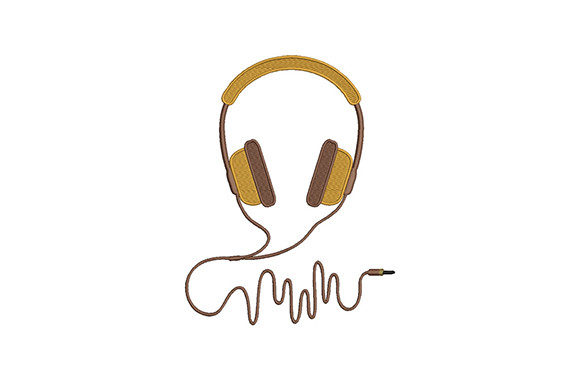
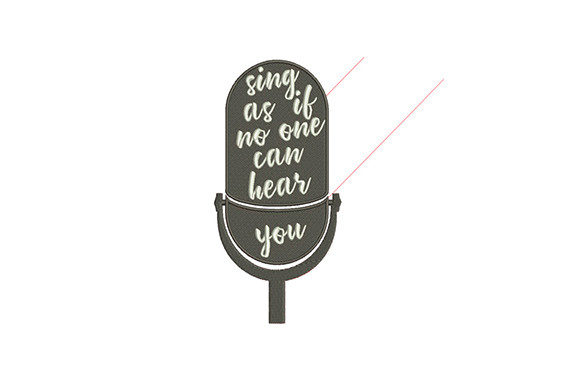
Upon loading the "Singing" file into my editing software, the first thing that stands out is its simplicity. The design utilizes only two thread colors. In the world of commercial embroidery, this is often a significant advantage. A limited color palette usually suggests a cleaner look that is easier to match with corporate branding or specific Pantone requirements. The title "Singing" implies a sense of rhythm, joy, and perhaps a whimsical or artistic vibe. Depending on the specific stitch rendering, this design likely leans towards a friendly, handmade aesthetic rather than a rigid, corporate geometric logo.
For a creative studio, a local music school, or a bakery with a lively atmosphere, this visual personality is perfect. It feels approachable. However, for a high-end law firm or a minimalist tech startup, the playful nature of a music-themed design might need careful contextual placement. The two-color constraint forces the design to rely on shape and contrast rather than shading, which generally results in a bolder, more readable image from a distance.
Real-World Business Applications
The true test of any embroidery file is its versatility across different products. Here is how "Singing" performs in various small business scenarios:
- Embroidered Patches: This is arguably the strongest use case. With only two colors, the production cost for custom patches remains low, allowing for higher profit margins on small business merch. The design would work exceptionally well as a sew-on patch for denim jackets or canvas bags sold in a boutique.
- Staff Uniforms and Aprons: For a café or florist, adding "Singing" to an apron embroidery pocket adds a touch of personality without overwhelming the uniform. It serves as a subtle conversation starter for customers.
- Cap Embroidery: Music-themed designs are popular on headwear. If the digitizing handles curved surfaces well, this could be a standout feature on the front panel of a baseball cap or a beanie.
- Tote Bag Design: Canvas totes are staples for craft fairs. Placing this design on the lower corner of a tote bag creates a balanced, professional look that elevates the perceived value of the handmade product.
- Event Merchandise: For local concerts, choir groups, or community events, this design serves as an excellent commemorative mark on t-shirts or hoodies.
Technical Considerations for Production
While the aesthetic is promising, there are technical factors every decorator must consider before running a production batch. The description notes that the file comes in a vast array of formats, including DST, PES, EXP, and VIP. This compatibility is crucial for commercial embroidery shops running multi-head machines. However, the lack of specific stitch count data in the product listing requires caution.
Stitch density is a critical factor. If the two colors are filled with dense satin stitches, the design might become stiff, which is undesirable for lightweight fabrics like those used in children's clothing or summer tees. Conversely, if it uses too few stitches, it may lack durability after repeated washing. I strongly advise running a test stitch-out on a scrap piece of fabric similar to your final product. Pay close attention to the edges; with only two colors, any registration errors or pull-compensation issues will be immediately visible.
Furthermore, consider the hoop size required. While not explicitly stated, music motifs can sometimes have elongated elements (like a microphone stand or musical staff) that require a larger hoop than a standard 4x4. Always verify the dimensions in your software before hooping expensive garments. Additionally, when working on textured fabrics like pique polo shirts or thick towels, ensure you use the appropriate stabilizer to prevent the design from sinking into the fabric texture.
Impact on Brand Identity and Customer Trust
In the current market, consumers value authenticity. Using a cohesive design asset like "Singing" across all touchpoints—from the logo on a website to the tag on a product—builds recognition. If your brand is associated with creativity, arts, or community, this design reinforces that narrative. It tells the customer that you pay attention to detail and care about the presentation of your finished product.
A well-executed embroidered logo signals quality. Unlike a heat transfer that might peel or a screen print that cracks, high-quality embroidery lasts. By choosing a simple, two-color design, you reduce the risk of thread breaks and color mismatches, ensuring that every item leaving your shop meets a high standard of professionalism. This consistency fosters customer trust and encourages repeat business.
Practical Designer Notes for Implementation
Before committing to a large run, follow these steps to ensure success with the "Singing" design:
- Test in Black and White: Convert the design to a single color in your software to check the clarity of the shapes. If the design loses its definition without color separation, it may need re-digitizing for smaller applications.
- Check Small Scale Legibility: Simulate the design at a 2-inch or 3-inch size. Fine details in music notes or instruments can disappear when scaled down for a chest logo or small patch.
- Review Thread Contrast: Ensure the two selected thread colors provide enough contrast against your base garment. A dark design on a dark shirt will vanish.
- Create a Printable Mockup: Before stitching, generate a printable mockup to show clients or stakeholders. This helps visualize the placement on caps, sleeves, or bags.
- Verify Commercial Licensing: Always confirm the license terms included with the digital embroidery file. Ensure you have the rights to use the design for goods you intend to sell, not just for personal use.
- Compare with Other Assets: Place "Singing" next to your existing logos and fonts. Does it complement your current visual identity, or does it clash?
In conclusion, "Singing" offers a charming and versatile option for businesses looking to add a musical or creative flair to their merchandise. Its two-color construction makes it cost-effective and technically manageable for most machines. However, like any tool, its success depends on the skill of the operator and the suitability of the application. By testing thoroughly and understanding the nuances of custom apparel production, you can leverage this design to create standout products that resonate with your audience.