Digitize Emoji: A Craft Fair Seller's Review
As an embroidery designer preparing for a busy weekend at the local artisan market, I am constantly scanning my digital library for designs that stop customers in their tracks. Today, I am pulling Digitize Emoji off the shelf to see if it has what it takes to become a best-seller among my handmade product lineup. In the world of craft fair product displays, visual impact is everything. You have mere seconds to catch a browser's eye before they move to the next booth. This review breaks down how this specific machine embroidery design performs when translated from a digital embroidery file into tangible goods that people want to buy.
First Impressions and Visual Appeal
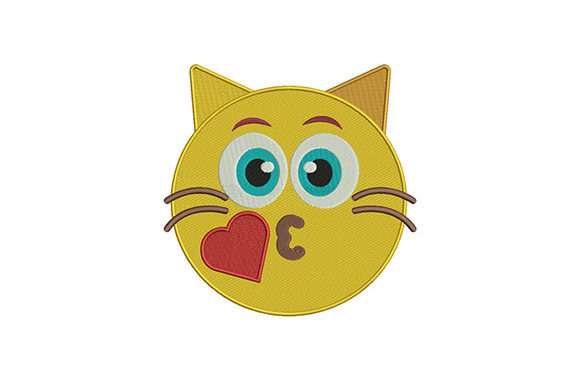
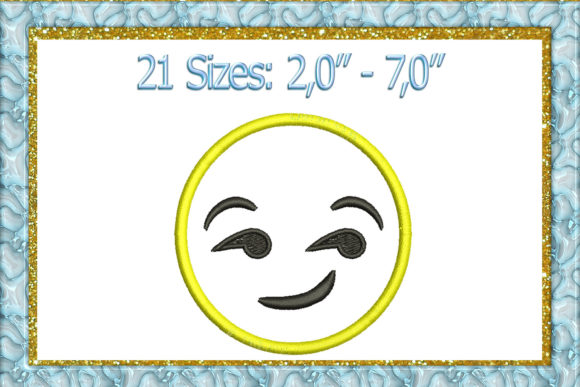
The moment I load the Digitize Emoji file into my editing software, the vibe is immediately clear: it is modern, playful, and universally recognizable. Unlike intricate floral motifs or rustic farmhouse scripts that require a second glance to decipher, an emoji design speaks a global language. It feels bold and fun, perfectly suited for the current trend of injecting humor and personality into everyday items. With seven thread colors listed in the details, this design promises a vibrant pop against neutral backgrounds. For a small shop product line, this kind of instant readability is gold. It signals to the customer that the item is approachable and giftable, removing the hesitation often associated with more abstract art.
Product Versatility for Market Tables
When setting up my booth, variety is key to maximizing sales. I imagine Digitize Emoji stitched onto a canvas tote bag design. The bright colors would stand out beautifully against natural cotton, making it an impulse buy for shoppers looking for a reusable grocery bag with attitude. Moving to the kitchen section, this design transforms a simple linen towel into a charming piece of tea towel embroidery. Emojis add a touch of whimsy to the kitchen, appealing to younger buyers and those looking for novelty housewarming gifts.
I also see strong potential for apron embroidery. A chef or home baker wearing an apron with a cheeky emoji face creates an instant conversation starter at the booth. Furthermore, because emojis are graphic and self-contained, they work exceptionally well as an embroidered patch. Applying these patches to denim jackets, backpacks, or hats allows me to offer customizable options without re-hooping every single item. For the Etsy seller looking to expand their physical inventory, this design bridges the gap between digital trends and physical finished product appeal.
Performance on Different Fabrics
The success of any commercial embroidery project relies heavily on fabric compatibility. Since Digitize Emoji utilizes seven colors, it likely has distinct color blocks rather than heavy shading. This makes it versatile for various textures. On smooth fabrics like twill caps or polished cotton pillow covers, the definition between colors should remain crisp. However, caution is needed with highly textured materials like waffle-weave towels or thick terrycloth. The stitch density must be sufficient to prevent the underlying fabric texture from breaking up the clean lines of the emoji expression. If the design relies on tiny details to convey emotion, those might get lost on a fuzzy surface, so testing is non-negotiable.
Production Practicality and Batch Efficiency
For a craft fair vendor, time is money. The ability to batch produce items is crucial. Because emojis are generally compact and do not require massive hoop jumps, Digitize Emoji feels repeatable. I can envision hooping multiple caps or stacking several pouches for a multi-head machine run. The file formats provided—ranging from DST and PES to EXP and JEF—ensure compatibility with almost any industrial or home embroidery setup. This universality means I don't have to waste time converting files or worrying about format corruption right before a show.
However, the seven-color count does introduce a variable: thread changes. While not excessive, it is enough to slow down production if I am running a single-needle machine. To mitigate this, I would plan my production schedule to run all light-colored items first, then switch to darks, minimizing the number of full spool changes. For high-volume days, this design strikes a good balance between visual complexity and production speed.
Critical Considerations for Quality Control
Before committing to a full production run, there are several "careful-use" notes every designer should consider. First, check the stitch density in the darker areas. If the design is too dense, it can cause puckering, especially on lighter weight fabrics like tea towels or shirt pockets. Conversely, if the density is too low, the backing might show through, ruining the premium look. Second, pay attention to the scale. An emoji relies on facial expression; if scaled down too small for a tiny pocket or a child's sock, the eyes and mouth may merge, turning a happy face into a muddy blob. Always verify the minimum viable size.
Additionally, consider the thread colors against the fabric. While the design comes with a suggested palette, swapping a standard yellow for a neon thread on a black hoodie could elevate the product from standard to premium. Dark fabrics require careful consideration of underlay stitches to ensure the bright emoji colors don't sink into the material. Using a cutaway stabilizer is often safer than tear-away for these types of graphic designs to maintain shape integrity after washing.
Marketing and Brand Consistency
In terms of marketing, Digitize Emoji is a photographer's dream. These designs translate incredibly well into printable mockup images for online listings. The high contrast and familiar shapes look great on social media feeds, driving traffic to both physical booths and digital storefronts. For an Etsy seller, using this design in lifestyle photos can increase click-through rates because the subject matter is instantly understood without reading a caption.
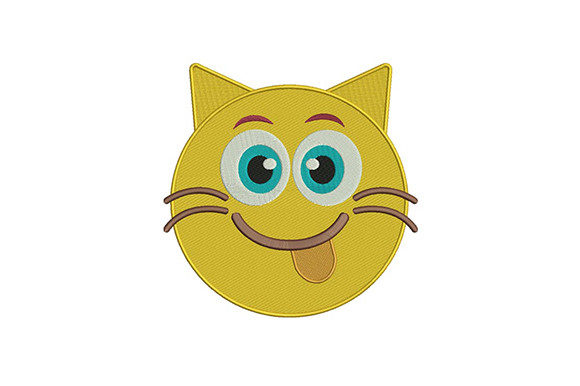
From a branding perspective, incorporating trendy elements like emojis shows that your brand is current and aware of pop culture. It adds a layer of personality to your design assets. Whether you are selling Cats themed items or general lifestyle goods, an emoji can serve as a unifying accent that ties a collection together. It suggests that your handmade goods are not just functional, but fun.
Final Designer Notes and Recommendations
To ensure the highest quality finished product, I recommend stitching a test sample on scrap fabric that matches your intended sale items exactly. Check the registration of the seven colors to ensure no gaps appear between them. Confirm the hoop size requirements; while likely standard, ensuring you have the correct frame prevents last-minute headaches. Finally, always review the licensing terms included with the embroidery file. While the file supports commercial use, verifying specific restrictions on resale or modification protects your business.
In conclusion, Digitize Emoji is a robust contender for the craft fair circuit. Its blend of modern aesthetics, broad appeal, and production feasibility makes it a smart choice for designers looking to refresh their inventory. By paying attention to fabric choices, stabilizer selection, and scale, this design can easily become a staple in your lineup of best-selling handmade treasures.